What We Do

Services

Here's the full range of concrete work we take on, from a new driveway to a wall that's leaning.

HomeServices

Everything we take on

Every job below is one we do ourselves across South Gate.

Concrete Driveways

A driveway takes more abuse than any other slab on your property, tires, oil, the weight of a loaded truck. We build ours on a compacted base with rebar through the high-traffic sections, and we saw-cut joints so cracking happens in a straight line instead of a spiderweb.

Concrete Patios

Patios don't carry a car, so the mix and the base can be lighter than a driveway, but drainage still has to slope away from the house. We finish patios broom, exposed aggregate, or stamped, depending on what you want underfoot.

Stamped Concrete

Stamped concrete gets you the look of stone, brick, or slate without weeds coming up between pavers years later. We color and stamp it while the slab is still plastic, then seal it once it's cured so the pattern holds its color.

Concrete Slabs & Foundations

Shed floors, garage slabs, equipment pads, we pour them to the thickness the load actually requires, not a one-size-fits-all four inches. Clay soil around here moves with the seasons, so we grade and compact the base to keep the slab from heaving.

Concrete Repair & Crack Repair

Not every crack means tear it out and start over. We route and fill hairline cracks, and for a slab that's settled or spalled at the surface, we'll tell you honestly whether a patch will hold or whether you're better off replacing the section.

Concrete Sidewalks & Walkways

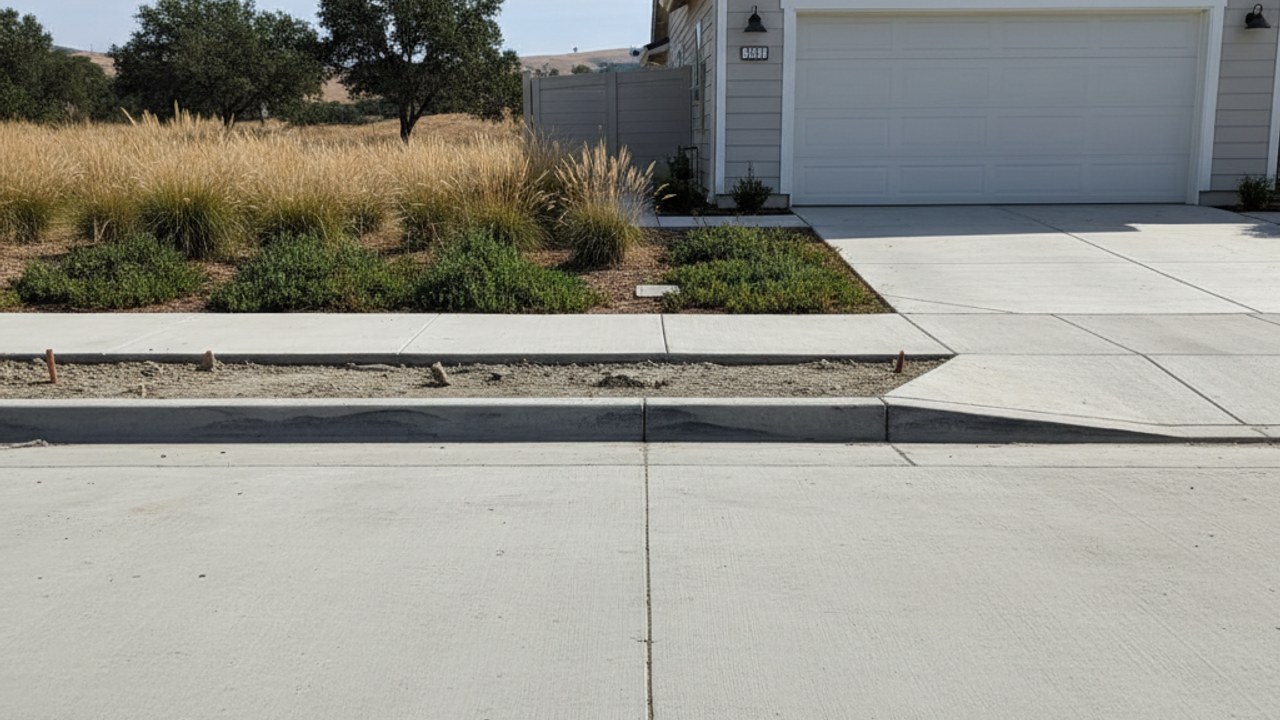
City sidewalks have their own spec for thickness and slope, and we pour to that spec so you're not fighting the inspector later. For a walkway on your own property, we match it to the grade of your yard so water runs off instead of pooling.

Concrete Steps & Stairs

Steps take more direct wear than a flat slab, especially the front edge of each tread. We reinforce them and give the nosing a broom finish so they're not slick when it rains.

Concrete Retaining Walls

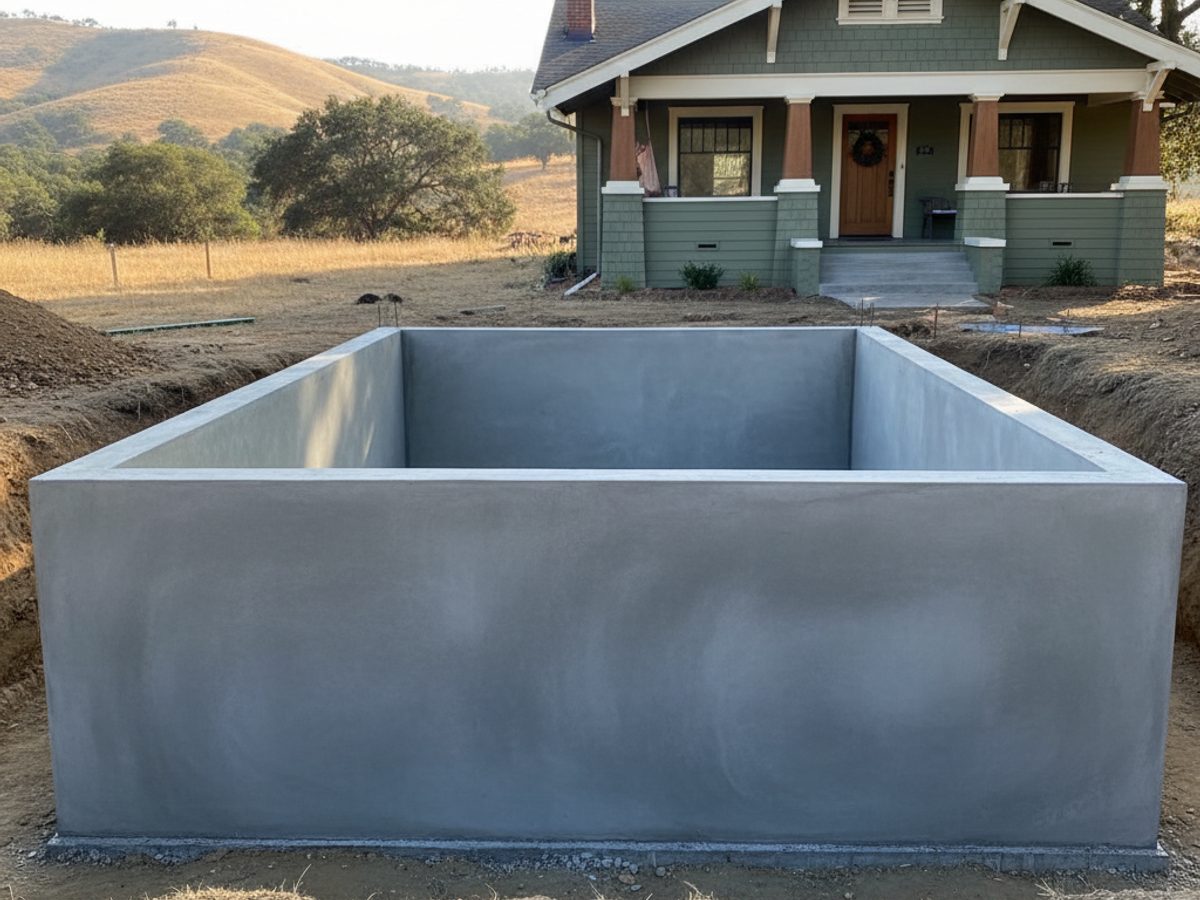
A retaining wall holds back a slope, and if the drainage behind it isn't handled, water pressure will crack or push out the wall in a few years. We put in gravel backfill and weep holes before we ever pour or stack the face.

Concrete Resurfacing & Overlays

If your existing slab is structurally sound but looks rough, chipped, or discolored, an overlay can give it a new surface without a full tear-out. It's cheaper than replacement, but it's not a fix for a slab that's cracked all the way through or settling.

Block Wall Construction

Block walls for property lines and privacy fencing get built on a poured concrete footing so they don't lean over time. We size the footing and rebar to the height of the wall and the soil it's going into.

How It Works

Four steps, and no surprises in any of them.

01

We come and look

You tell us what you want doing, we look at what is actually there, and we ask the awkward questions early.

02

You get a price

In writing, itemised, free. If something might add cost later we flag it now rather than at the end.

03

We do the work

Same crew throughout. We cover your floors, keep the dust down and tidy up before we leave each day.

04

We walk it with you

You point out anything you are not happy with and we fix it before the invoice, not after.

Where We Work

All of this, across South Gate, CA

Concrete crews and equipment cover the following cities on a regular basis.

South Gate, CA
Los Angeles, CA
Long Beach, CA
Anaheim, CA
Santa Ana, CA
Huntington Beach, CA
Glendale, CA
Torrance, CA
Pasadena, CA
Downey, CA
Norwalk, CA
Whittier, CA
Common Questions

Things worth asking

Questions that come up once a concrete project is actually underway.

Do I need a permit to pour a new driveway or patio?
Most cities, including South Gate, require a permit for a new driveway, a structural slab, or any work that ties into the public sidewalk. Simple patio replacements on private property sometimes don't need one, but that depends on the local building department, not the contractor.
How long does a typical concrete job take?
A standard driveway or patio pour usually takes one to two days for forming and pouring, plus a curing period before it can handle foot traffic or a parked car. Concrete needs about 24 to 48 hours before walking on it and closer to a week before driving on it, depending on the mix and weather.
Can you work within a set budget?
The size, thickness, and finish of a concrete job can all be adjusted to fit a budget, and a plain broom finish costs less than stamped or exposed aggregate. It's better to say the budget upfront so the quote reflects real options instead of getting a number that has to be cut down later.
Do you guarantee your concrete work?
Workmanship is guaranteed against defects in the pour itself, like improper finishing or joints that fail early, for a period spelled out in the written quote. Concrete will develop some hairline cracking over the years as it cures and the ground shifts, and that's normal, not a defect.
Who will I actually be dealing with during the job?
One point of contact handles scheduling and questions from the first estimate through the final walkthrough, rather than getting passed between different people. The same crew that pours the concrete does the finishing, so there's no gap between who quoted the job and who's actually on site.
What kind of concrete mix and materials do you use?
The mix strength gets matched to the job, a driveway that'll carry vehicle weight needs a higher PSI mix than a patio or walkway. Rebar or wire mesh reinforcement is used based on the slab's size and expected load, not applied the same way to every job.
Do I need to move out or stay elsewhere during the work?
Concrete work is done outdoors and doesn't require leaving the house, though a driveway pour means no parking on it for several days while it cures. Access to water and an outdoor outlet is helpful, and pets are best kept away from the work area while forms are up.
How should I prepare my property before the crew arrives?
Clearing the work area of furniture, planters, vehicles, and anything else sitting on or near the old slab makes the demo and pour go faster. Sprinkler lines and buried utilities near the site should be pointed out ahead of time so they don't get cut during excavation.
What happens if you find a problem once the old slab is torn out?
Buried irrigation lines, tree roots, or soil that's softer than expected sometimes turn up once demolition starts, and that gets flagged before pouring continues. Any extra work needed to fix it, like additional base material or root removal, gets priced separately and approved before it's done.
How do I take care of new concrete after it's poured?
New concrete needs to cure for about a week before heavy use, and it shouldn't be sealed too early or moisture gets trapped underneath. After that, sealing every couple years, keeping it clear of standing water, and avoiding de-icing salts on driveways all help a slab last longer.

Not sure what you need?

Describe the problem and we will tell you what it probably is. No obligation.
Call (323) 973-2154